Additional legislation
About the Coalition
Illinois Homes for All is a coalition of advocates and organizations working together to support common-sense legislation that makes it easier to build housing across Illinois in order to bring down housing costs.
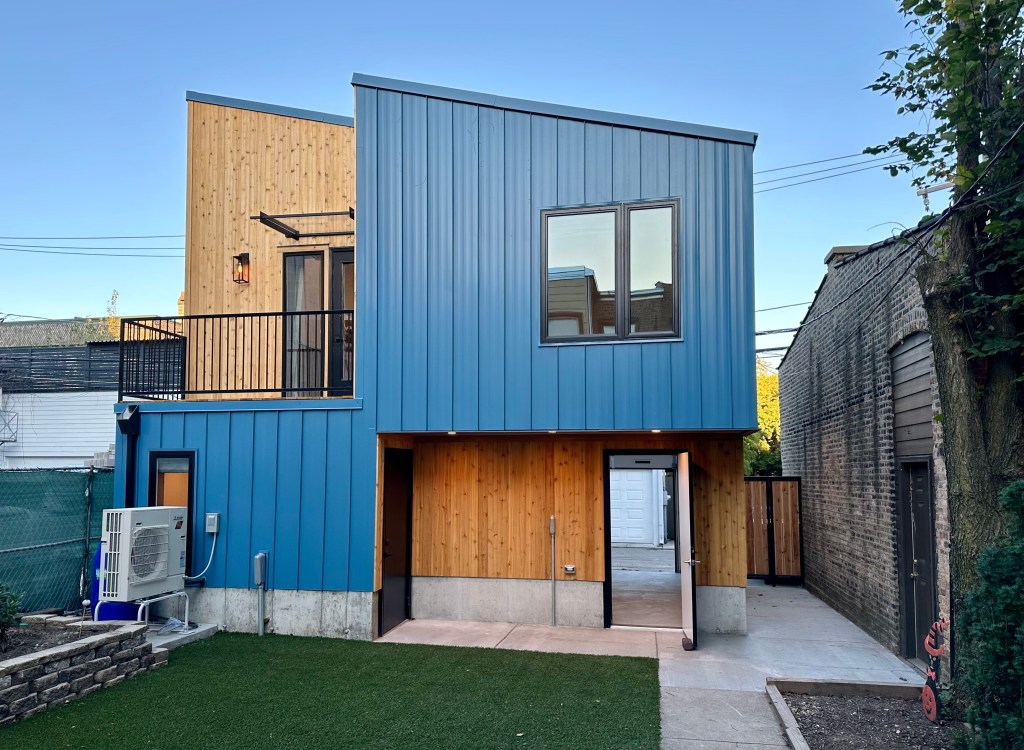
We support building more homes close to jobs and businesses, legalizing accessory dwelling units (aka “granny flats”), and building more family-size apartment buildings across the state.
Learn more about the bills we’re fighting for and join us in making Illinois a place where everyone can find a home.
Legislation
The Affordable Housing Planning and Appeals (AHPAA) Improvement Act
HB 5198 (Rep. Katz-Muhl / Sen. Johnson)
What it does: The Affordable Housing Planning and Appeal Act (AHPAA) (310 ILCS 67/1, et al.) is Illinois’ only law focused on expanding affordable housing in the state’s most expensive communities. By focusing on 3 areas, we can strengthen AHPAA and modernize it to meet the current housing crisis:
- Increase AHPAA’s minimum affordable housing threshold from 10% to 25%
- Requiring municipalities to use their own records to demonstrate that a proposed affordable development was denied or restricted for an acceptable reason (rather than putting that burden on developers) and allowing the State Housing Appeals Board to award attorney fees if an appeal is successful
- Make minor changes to the statutory requirements for plans and give the Illinois Housing Development Authority (IHDA) direction to create rules and regulations
How it helps: Increasing the threshold to 25% would double the number of municipalities subject to the law—from the current 3.5% to 7% of all Illinois municipalities, bringing more communities into AHPAA’s planning process and getting us closer to meet the housing needs of Illinois residents. Strengthening the Appeals Board by putting the burden of proof on municipalities rather than developers and awarding attorney’s fees creates accountability for local governments and incentivizes affordable housing approvals in high-cost communities. The AHPAA Improvement Act will also ensure that market-based solutions, like upzonings and permit reform, actually create affordable housing options.
Similar laws passed in other states: California
Abundant Housing Illinois (AHIL)
Association for Individual Development (AID)
Center for Disability & Elder Law
Chicago Area Fair Housing Alliance (CAFHA)
Chicago Growth Project (CGP)
Chicago New Liberals
Congress for New Urbanism (CNU) Chicago
CUrbanism Club
CUPPA Tea UIC
Habitat for Humanity Chicago
Housing Action Illinois
Illinois Housing Council (IHC)
Impact for Equity (IFE)
Joining Forces For Affordable Housing
League of Women Voters of Illinois
Neighbors of Edgewater & Uptown (NEU)
The Preservation Compact
Rockford Area YIMBY
Sierra Club Illinois
She Votes Illinois
Strong Towns Batavia
Strong Towns Blono
Strong Towns Chicago
Strong Towns Elgin
Strong Towns Elmhurst
UChicago Students for Abundance
Welcoming Neighbors Network (WNN)
Yes Oak Park
YIMBY Action
YIMBY Illinois
Permitting Reform & 3rd Party Review
SB 643 (Sen. Ellman)
What it does: Establishes binding timelines (aka “shot clocks”) for municipal plan review and inspections. If a municipality misses a deadline, the applicant may hire a qualified third-party plan reviewer or inspector. To qualify, a third-party reviewer or inspector must be a licensed Illinois architect or engineer with active certification from the International Code Council, NFPA, or IAPMO.
How it helps: Delays in municipal plan review and building inspections are a persistent source of cost and uncertainty in housing construction. When municipalities miss review or inspection deadlines, developers have no recourse projects stall, financing costs accumulate, and housing that communities need goes unbuilt. Shot clocks and 3rd party review accelerate
housing production while maintaining code compliance and public safety standards. Giving applicants a reliable fallback option when government processes stall creates accountability without eliminating municipal oversight.
Similar laws passed in other states: Arizona, Kansas, Tennessee, Texas
Abundant Housing Illinois (AHIL)
Association for Individual Development (AID)
Center for Disability & Elder Law
Chicago Area Fair Housing Alliance (CAFHA)
Chicago Growth Project (CGP)
Chicago New Liberals
Congress for New Urbanism (CNU) Chicago
CUrbanism Club
CUPPA Tea UIC
Habitat for Humanity Chicago
Housing Action Illinois
Illinois Housing Council (IHC)
Impact for Equity (IFE)
Joining Forces For Affordable Housing
League of Women Voters of Illinois
Neighbors of Edgewater & Uptown (NEU)
The Preservation Compact
Rockford Area YIMBY
Sierra Club Illinois
She Votes Illinois
Strong Towns Batavia
Strong Towns Blono
Strong Towns Chicago
Strong Towns Elgin
Strong Towns Elmhurst
UChicago Students for Abundance
Welcoming Neighbors Network (WNN)
Yes Oak Park
YIMBY Action
YIMBY Illinois
Impact Fee Reform
SB 4062 (Sen. Castro)
What it does: establishes a statewide formula structure for calculating impact fees, administered by the Illinois Department of Commerce and Economic Opportunity (DCEO). This formula will include calculations for necessary impact fees like stormwater management and public safety facilities.
How it helps: Unpredictable and inflated impact fees add to the cost of building homes and create drawn-out negotiations that slow housing production. Standardizing the methodology increases fairness, reduces uncertainty, and ensures that fees are proportionate to actual impacts.
Similar laws passed in other states: Colorado, Maine, Montana
Abundant Housing Illinois (AHIL)
Association for Individual Development (AID)
Center for Disability & Elder Law
Chicago Growth Project (CGP)
Chicago New Liberals
Congress for New Urbanism (CNU) Chicago
CUrbanism Club
CUPPA Tea UIC
Habitat for Humanity Chicago
Housing Action Illinois
Illinois Housing Council (IHC)
Impact for Equity (IFE)
Joining Forces For Affordable Housing
League of Women Voters of Illinois
Neighbors of Edgewater & Uptown (NEU)
The Preservation Compact
Rockford Area YIMBY
Sierra Club Illinois
She Votes Illinois
Strong Towns Batavia
Strong Towns Blono
Strong Towns Chicago
Strong Towns Elgin
Strong Towns Elmhurst
UChicago Students for Abundance
Welcoming Neighbors Network (WNN)
Yes Oak Park
YIMBY Action
YIMBY Illinois
Learn More
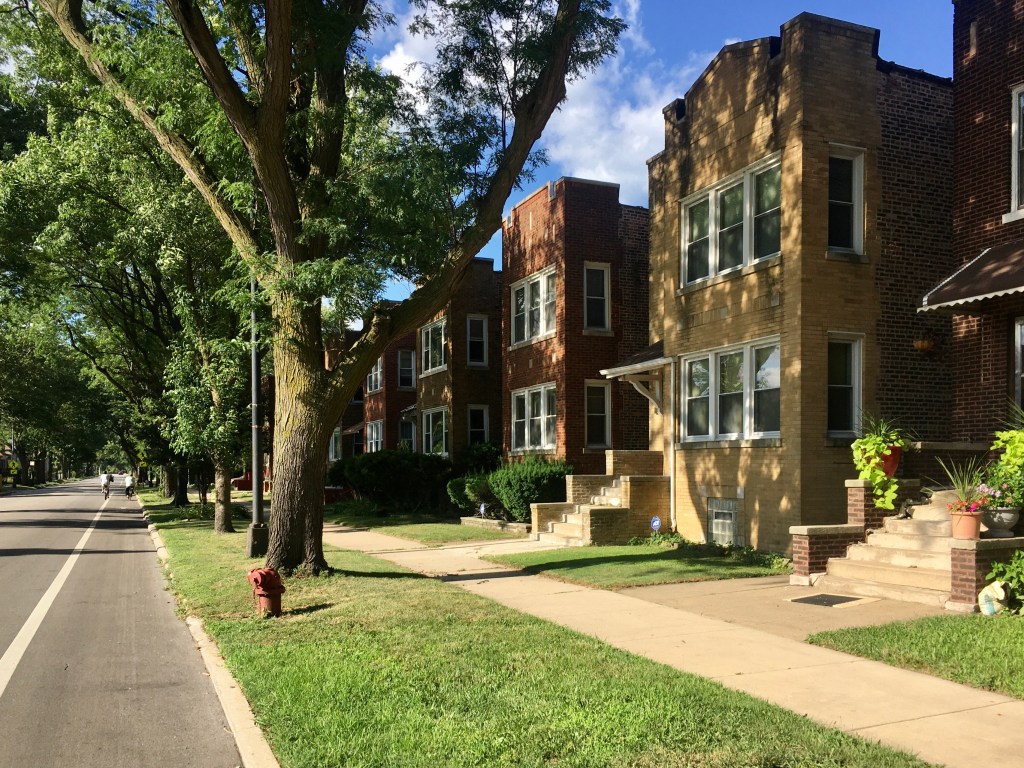
How to fight racial segregation? End exclusionary zoning in Illinois
Accessory dwelling units can help homeowners and make housing safer
This land-use bill would help address the shortage of housing stock in big Illinois cities
Affordable housing would get a boost with better zoning policies